From Old Celebrations to Jesus Birth
Getting to the Bottom of Christmas
Christmas is a super popular holiday all over the world. Folks dig it for the fun, customs, and being nice to each other. But Christmas has been around for way longer than you might imagine. It goes way back, mixing Christian ideas with old winter parties from way before Jesus was born.
Before Christmas, There Was the Winter Solstice
Way before Christianity was a thing, old groups of people partied during the winter solstice – the day with the least sunlight. The solstice meant longer days were coming, so it stood for hope.
Up in Northern Europe, the Norse had a party called Yule. Families would light big logs, fix up their houses with evergreens, and have fun celebrating nature waking up again. A lot of these things, like using green stuff such as holly, ivy, and fir trees, ended up as Christmas decorations later on.
Back in Ancient Rome, they had a festival named Saturnalia to honor Saturn, who was like the god of farming. People would give each other presents, have big meals, fix up their homes, and switch roles for a bit, so everyone felt happy and equal. These Roman bits really helped shape what Christmas turned into.
Jesus' Birth: A Whole New Meaning
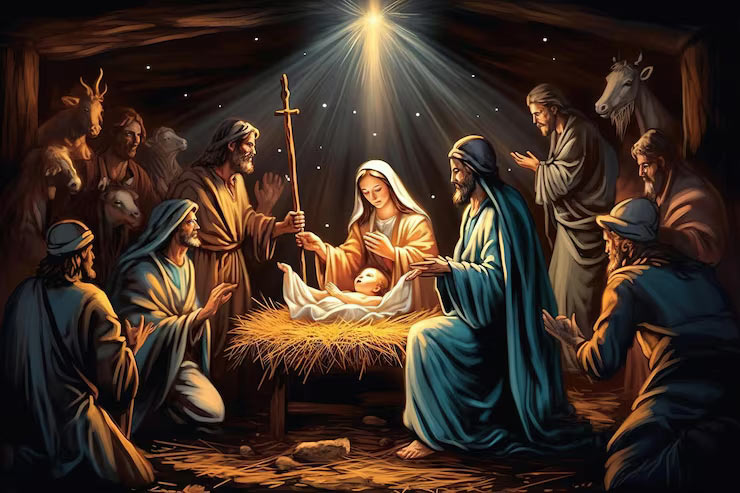
Christianity gave those winter parties a new twist with the story of Jesus's birth. People believe Jesus was born in Bethlehem to Mary, bringing a message of peace, hope, and salvation to save people in the world.
The Bible doesn't say when he was born, though. Early Christians were way more into his teachings than birthday parties. It wasn't until the 300s that church leaders picked December 25th as the day to remember Jesus' birth.
Historians guess this pick helped mix Christian worship with those solstice parties already going on. It was probably easier for everyone to get on board with the new religion if they could still do some of the old stuff they liked.
Medieval Times: Faith and Fun Together
During the Middle Ages, Christmas got all mixed up with church stuff and fun get-togethers. Churches had special services, and towns had parties that went on for days.
Songs, which became carols, got big as a way for people to sing about Jesus' story. Plays popped up, acting out Jesus' birth with Mary, Joseph, shepherds, and the three wise men.
Around this time, Saint Nicholas became a popular figure. He was a bishop known for being super nice and giving stuff away. He's the reason we have Santa Claus giving presents today.
Germany had a big hand in creating the Christmas stuff we do today. Doing up a Christmas tree got started there. Families put candles, fruit, and handmade things on their trees. German Christmas markets, with their lights, music, and party vibe, still get people in the holiday mood all over.
Today, Advent calendars, wooden nutcrackers, and gingerbread stuff are still Christmas things that everyone loves.
Christmas All Over the World
As Christianity and European ways spread, so did Christmas. Every place added its own spin, keeping with local ways while still celebrating Jesus.
In the United Kingdom, Victorian Christmas stuff brought Christmas cards, crackers, and big family dinners.
In the United States, folks brought over customs that mixed to make a really fun celebration. The idea of Santa traveling the world with reindeer became popular in books and then a Christmas thing.
Christmas changed to fit in everywhere – Asia, Africa, and South America. The idea of love and kindness made it a holiday that even people who didn't believe the same things could still enjoy.
Christmas Today: Faith, Culture, and Being Together
Now, Christmas is done differently all over. What stays the same is having fun, being together, and being nice. Families get together for food, trade gifts, and make memories. Homes have lights and decorations, and towns are full of music and celebrations.
For a lot of people, Christmas is more than just decorations and gifts. It's about Jesus' birth and being thankful, faithful, and caring.
Celebrating Light and Hope Forever
When we look back at Christmas, we see a beautiful connection between old winter parties and Christian beliefs. From celebrating when the sun comes back to Jesus' birth, bringing spiritual light, Christmas has always meant hope.
Every custom adds to the holiday we love today. It's a time for love, togetherness, and thinking about what's important.
As Christmas keeps changing, its main idea stays the same:
Light wins over darkness. Hope beats fear. Love is the best thing we can all share.